
Craft a Brilliant World, Create a Better Life
National Chemical Leader, Global Engineering Pioneer
United Endeavor, Pragmatic Excellence
Innovation, Responsibility, Expertise, Win-Win
Who We Are
- 12hAfter-Sales Response
- Rapid after-sales response to ensure timely resolution of customer needs
- 99%Delivery Rate
- High delivery rate reflecting reliable supply chain and order fulfillment
- 100%Factory-Exit QC
- Full factory-exit quality control to guarantee product reliability
- 99%On-Time Delivery
- Consistent on-time delivery performance to support project schedules
What Can We Do
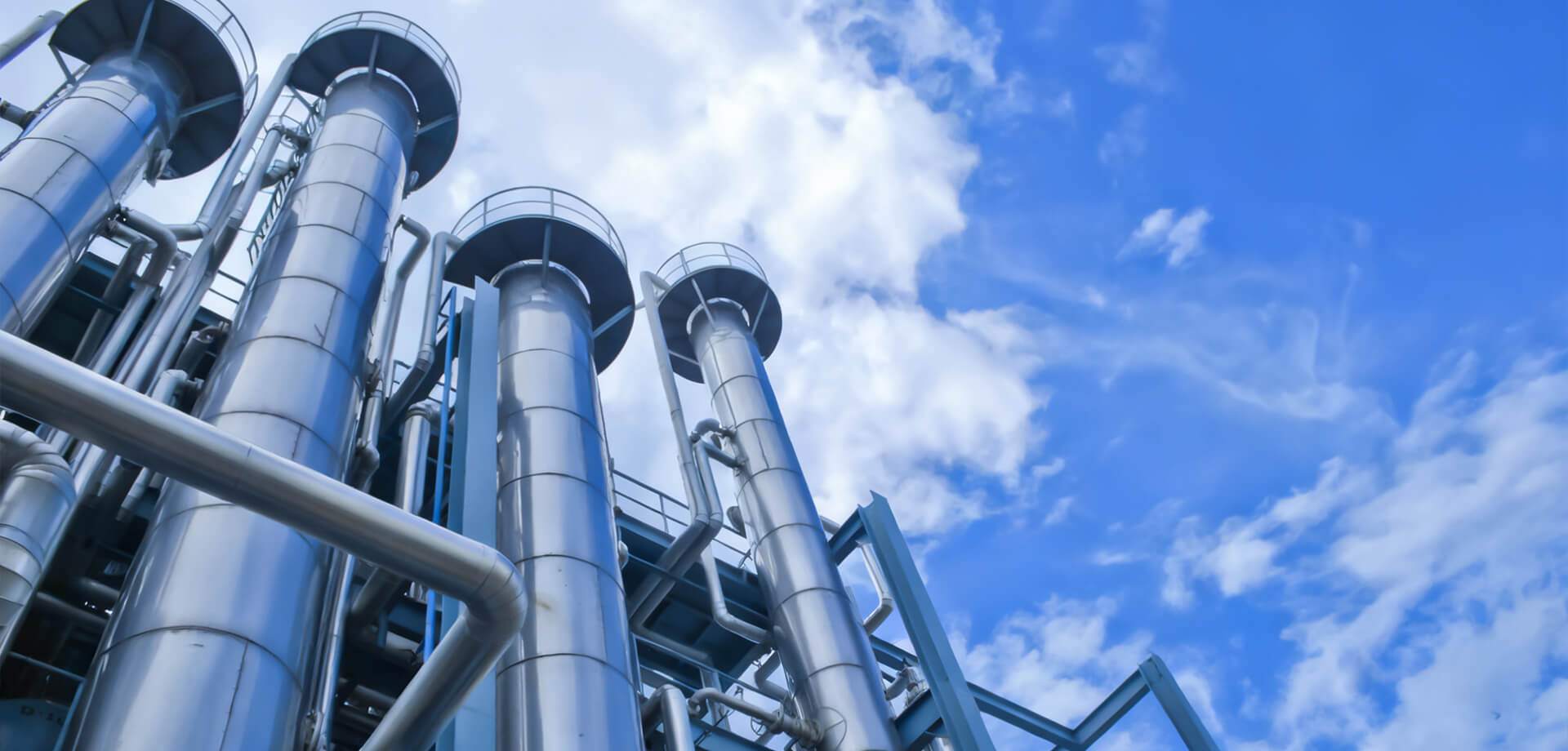
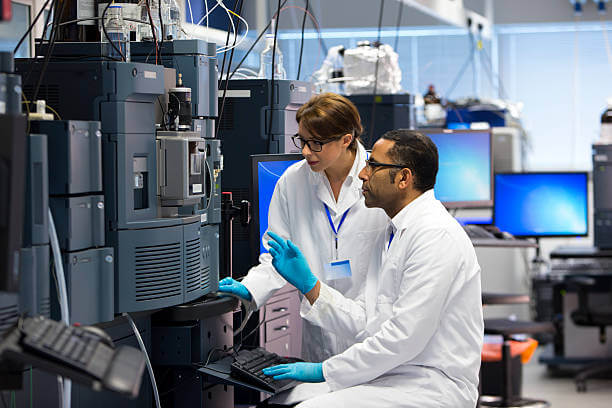
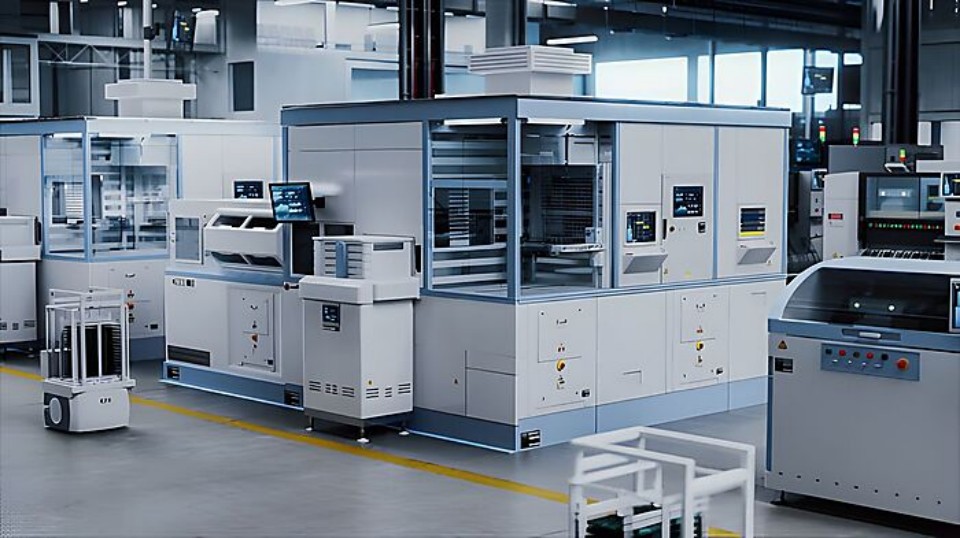
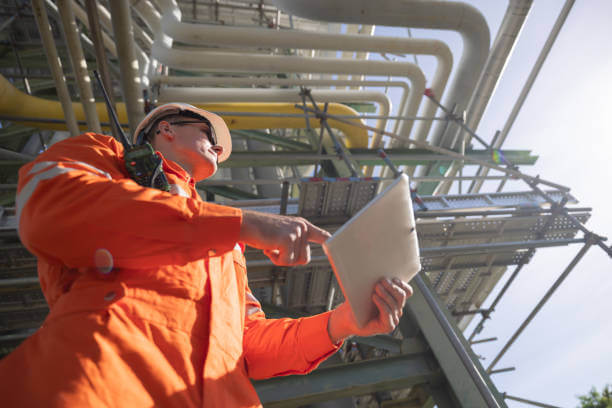

Our Responsibility
We are committed to being a leader in green chemistry and a benchmark for responsible development. ESG principles are deeply integrated into our business models, driving low-carbon innovation, safety compliance, and responsible collaboration. We dedicate ourselves to promoting sustainable transformation across the chemical industry.
News
View more
-
Industrial Methylene Chloride Solvent Recovery: A Comprehensive Process Guide
Methylene chloride (dichloromethane, DCM) is a widely used chlorinated solvent in pharmaceutical manufacturing, lithium-ion battery separator production, semiconductor cleaning, LCD display fabrication, peptide synthesis, and various chemical processes. Due to its high volatility, environmental persistence, and significant cost, recovering DCM from waste solvent streams is both economically essential and environmentally mandatory.This article presents a detailed industrial process flowchart for methylene chloride solvent recovery, incorporating manufacturer-specific technologies and validated process parameters from both academic research and commercial practice.The recovery of high-purity methylene chloride from waste organic solvent typically employs extractive distillation as the core separation technology. This is necessary because DCM often forms azeotropes with impurities such as methanol or water, making simple distillation insufficient for achieving the required purity of ≥99.7% with <1 ppm water content .The general industrial process comprises five main stages:Feed pretreatment (filtration, pH adjustment, initial dehydration)Extractive distillation (primary separation using an entrainer)Condensation and product collectionSolvent recovery (entrainer regeneration for recycle)Vacuum system integration and emission control4.1 Extractive Distillation SystemsKoch Modular Process Systems (Paramus, NJ, USA) is a leading designer and manufacturer of modular mass transfer systems for the chemical processing industry. With over 40 years of engineering experience and more than 200 modular plants operating in 45+ countries, they specialize in extractive distillation, azeotropic distillation, and complete turnkey separation systems. Their proprietary ModularLaunch™ approach combines process development with modular fabrication, offering Process Performance Guarantees on all systems .TMIP (Italy) has developed specialized continuous distillation plants specifically for pharmaceutical solvent recovery applications. Their DCM recovery process uses extractive distillation to solve two key problems: eliminating the solvent's bad odor at high column base temperatures and removing methanol from methylene chloride. For applications requiring additional dehydration, TMIP offers molecular sieve dehydration technology with hot nitrogen regeneration .4.2 Vacuum Systems for Solvent RecoveryThe APO-VAC vacuum/gas compressor system (developed by Nash/Gardner Denver) is a skid-mounted, engineered package based on a single-stage liquid ring vacuum pump. This closed-loop system integrates vacuum generation with solvent recovery, enabling:Minimum air emissions and zero liquid emissionsRecovery and reuse of clean solvent during distillation, evaporation, drying, and filtration operationsCompliance with VOC and BOD regulationsSpecific case histories for methylene chloride recovery 4.3 Emission Control and Adsorption SystemsToyobo MC Corporation offers the K-FILTER® VOC recovery apparatus, a proprietary activated carbon fiber adsorption system with over 1,500 units installed in Japan since 1974. For methylene chloride applications, this system is commonly used for:Lithium-ion battery separator manufacturing process (DCM recovery)Pharmaceutical plant VOC captureReplacement of aging granular activated carbon equipmentHigh-purity solvent recovery with minimal thermal decomposition Kurimoto, Ltd. provides a fixed-bed granular activated carbon solvent recovery system suitable for chlorinated organic solvents including methylene chloride. Their twin-tower design enables continuous treatment through alternating adsorption, steam stripping, and drying cycles. They offer explosion-proof configurations for flammable solvents .4.4 Laboratory and Small-Scale EquipmentZZKD (Zhengzhou, China) manufactures automatic solvent recycling machines with capacities from 40L to 450L per batch. Their explosion-proof units (ExdeIIBT3/T4 certified) feature PID/PLC digital control systems and stainless steel (SUS304) tanks. Recovery rates of up to 95% are achievable for DCM and other chlorinated solvents .Sailing International Industry Group offers thinner recovery machines capable of processing halogenated hydrocarbons including methylene chloride and trichloroethylene. Their equipment features:Explosion-proof design meeting CNEX and ATEX standardsTilting-type residue removal mechanismSUS304 stainless steel construction for corrosion resistanceDigital heating temperature controller with multiple safety protection functions .ParameterFeed stage (T-01)Entrainer feed stageReflux ratio (T-01)Reflux ratio (T-02)DCM purityProduct water contentEntrainer flow rateTypical Operating ConditionsBased on commercial process data :ConditionPressureOverhead temperatureBottom temperatureFor a feed rate of 1000 kg/h of aqueous DCM (98.52% DCM, 1.48% water) with 700 kg/h ethylene glycol entrainer, the process achieves:DCM product: 985.2 kg/h at 99.993% purityWater removed: 14.73 kg/h from T-02 overheadRegenerated EG: 700.07 kg/h (99.99% purity) recycled to T-01 Two entrainers are widely used in commercial DCM recovery:Ethylene Glycol (EG)Advantages: Lower cost, thermally stable, good selectivity for DCM/water separationOptimal conditions: Feed stage #60, EG stage #5, reflux 3.5 Product purity: ≥99.7% DCM achievableDimethyl Sulfoxide (DMSO)Advantages: Higher selectivity for DCM/impurity separationOptimal conditions: Feed stage #65, DMSO stage #3, reflux 3.5 Product purity: ≥99.9% DCM achievableNote: Ionic liquids such as [EMIM][OAc] and [BMIM][OAc] have been shown to outperform DMSO in laboratory studies Dehydration OptionsWhen additional water removal is required beyond decanter separation, molecular sieve dehydration with hot nitrogen regeneration is commercially available from TMIP and other vendors .Critical Control LoopsReflux ratio control (T-01): Maintained at 3.5 for optimum purity/recovery balance Entrainer feed rate: Typically controlled by ratio to waste feed compositionColumn bottom temperature: Limited to prevent DCM degradation and odor formation Vacuum pressure: Maintained by APO-VAC system for stable operation Advanced Control OptionsPID/PLC digital control systems (available from ZZKD, Sailing International, and others) for automatic temperature and timing controlMulti-program settings for processing different solvent types Real-time process monitoring for quality deviation detectionKey RisksDCM is toxic and suspected carcinogenForms flammable vapor-air mixtures at ≈100°C (LEL 12–19% vol)Incompatible with strong oxidizers, caustic alkalis, and active metals (Al, Mg, Na, K) Regulatory RequirementsThe U.S. EPA requires all owners/operators to develop and implement an Exposure Control Plan with priority on elimination, substitution, and engineering controls.Equipment Safety FeaturesFeatureExplosion-proof ratingMaterials of constructionCorrosion-resistant tanksOver-temperature protectionRecommended PPESplash-proof safety gogglesFull-face respirator with organic vapor cartridgesChemical-resistant gloves and protective clothingEmergency eye wash and shower facilitiesWaste DisposalSpent entrainer and still bottoms classified as hazardous wasteIncineration with acid gas scrubbing recommended for DCM-containing wasteCaution: Avoid conditions that may form phosgene gasProduct/SystemModular distillation systemsPharmaceutical solvent recoveryVacuum/gas compressor systemsActivated carbon fiber VOC recoveryGranular activated carbon systemsSmall-scale recovery machinesThinner recovery machinesIndustrial methylene chloride solvent recovery is a mature but continuously evolving field. The extractive distillation process using ethylene glycol or DMSO as entrainer, operated at optimized feed stages (60th for feed, 5th for entrainer) and reflux ratio (3.5), reliably produces DCM of ≥99.7% purity with <1 ppm water .Key equipment manufacturers—including Koch Modular Process Systems, TMIP, Toyobo MC, and Kurimoto—offer specialized solutions ranging from modular full-scale plants to emission control systems. The integration of closed-loop vacuum systems (APO-VAC) and advanced adsorption technologies (K-FILTER) enables near-zero emission operation.Safety remains paramount: explosion-proof design, proper material selection (stainless steel), and strict compliance with EPA exposure limits are essential for any commercial installation. With proper engineering and operation, DCM recovery can achieve >95% solvent reclamation, delivering significant cost savings and environmental benefits.
-

Dichloromethane Solvent Compatibility Matrix / Application Map
Rating Legend‑A Excellent: Suitable for long‑term continuous exposure‑B Good: Minor swell; prefer static service, not for dynamic high‑speed sealing‑C Fair: Short‑term / intermittent exposure only; continuous service not advised‑D Poor: Severe swell / dissolution / cracking; do not use.Baseline condition: ambient temperature 20‑25 °C. Elevated temperature significantly degrades chemical resistance. Real‑world immersion test is required for critical service.Chemical Incompatibility: Do not mix with alkali metals (Na, K, Li), powdered Al, concentrated nitric acid, azide salts, t‑BuOK; risk of violent reaction / explosion.Dichloromethane Application MapRecommended Use‑CasesOrganic synthesis reaction mediumLiquid‑liquid extraction & aqueous work‑up washingColumn‑chromatography eluentNatural‑product & API isolation / purificationLow‑boiling solvent for coating & adhesive formulationsMetal degreasing and precision‑part cleaningPhotoresist strippingSoxhlet extraction; rotary evaporation for heat‑sensitive compoundsOperational Warnings‑BP 40 °C; highly volatile. Work under closed‑system with strong ventilation. IARC Group 2A (possible human carcinogen); limit vapor inhalation exposure.‑Storage: 316L vessel with PTFE lining. Avoid NBR/EPDM/silicone gaskets, PVC, PC containers.‑Avoid hot surfaces; thermal decomposition yields HCl and phosgene gas.Forbidden / Not‑Advised‑Equipment constructed from aluminum / magnesium alloys‑Seals of NBR, EPDM, silicone, polyurethane‑Long‑term storage inside PP, PE, PC or PVC containers‑Co‑existence with alkali‑metals, concentrated nitric acid, azide‑based salts