
Our News
Industry Insights & Corporate News
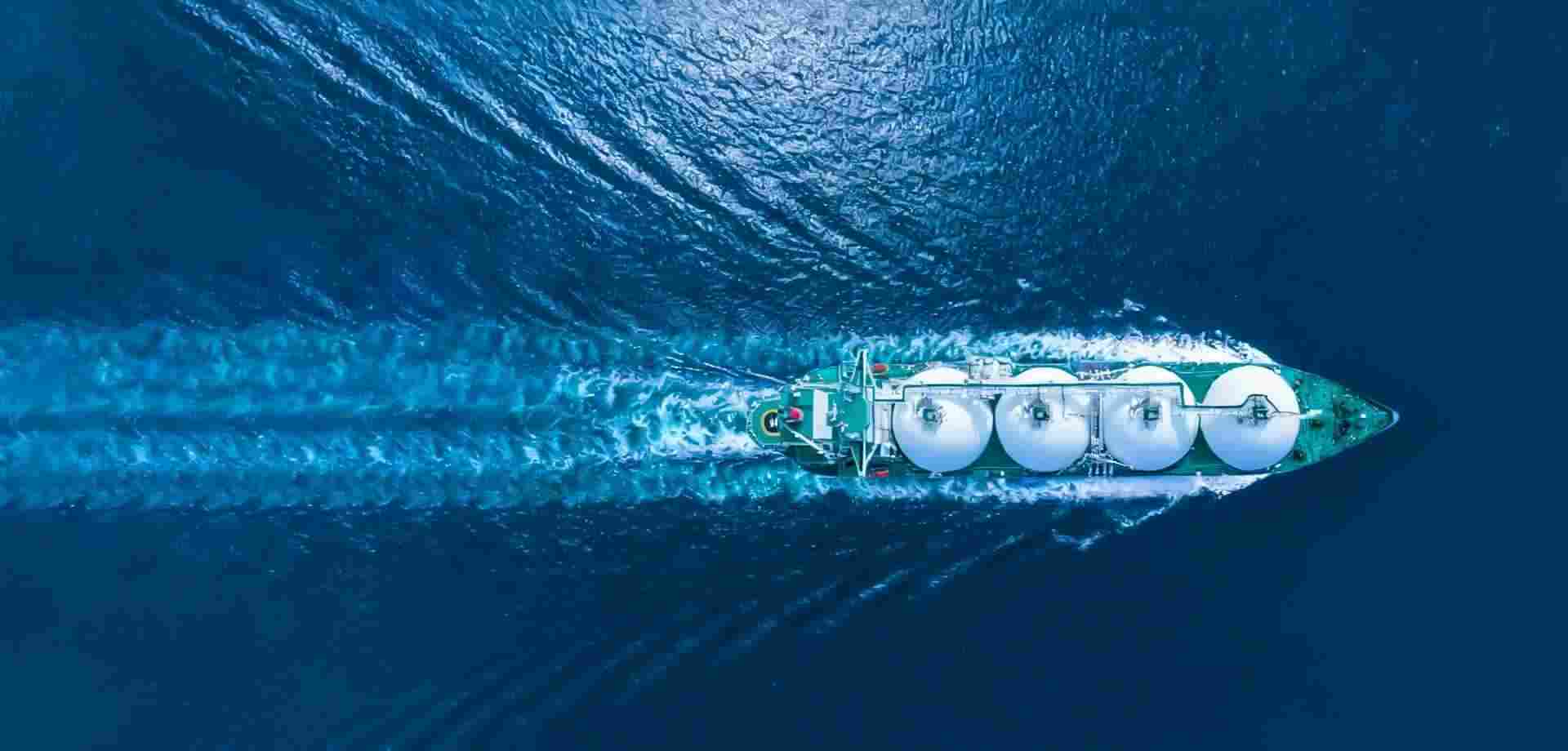
Dichloromethane Manufacturer China
Industrial methylene chloride output in China is organised around methanol-fed chloromethane complexes rather than isolated solvent plants. Methanol vapour is hydrochlorinated over a fixed-bed alumina or zinc chloride catalyst at 250–350 °C and 0.1–0.3 MPa, producing methyl chloride and water. After drying, compression, and vaporisation, methyl chloride is mixed with vaporised chlorine in a high-nickel alloy tubular reactor maintained in the range 400–520 °C; free-radical substitution yields a mixture of methylene chloride, chloroform, and carbon tetrachloride. Unreacted methyl chloride is recovered in a two-stage compression train and recycled, while hydrogen chloride is absorbed in falling-film absorbers to produce 31–35 wt% hydrochloric acid. The chlorination effluent is quenched with dilute HCl, neutralised with caustic, and dried by chilled glycol condensers before entering a sequence of three distillation columns. The first column removes low-boiling methyl chloride and dimethyl ether, the second separates methylene chloride from chloroform, and the third polishes high-purity material under vacuum with structured packing equivalent to 25–35 theoretical stages. Published process data for individual Chinese licensors is limited, but plant audits consistently show that methylene chloride selectivity is governed by the methyl chloride-to-chlorine molar ratio, the reactor residence time, and the amount of recycled chlorinated heavies.
What Limits Methylene Chloride Selectivity When Chlorine Ratio Drifts Above 1:1?
The free-radical chlorination sequence converts methyl chloride to methylene chloride and then to chloroform, so the selectivity window is controlled by chlorine concentration and local hot-spot formation. At methyl chloride-to-chlorine molar ratios below 1.5:1, chloroform formation accelerates because the dichlorinated intermediate encounters additional chlorine radicals before leaving the reaction zone. Commercial Chinese trains often hold the feed ratio between 2.2:1 and 3.5:1 and accept a 25–40% conversion per pass to maintain effluent methylene chloride-to-chloroform mass ratios above 20:1. Reactor temperatures above 500 °C increase carbon tetrachloride yields through thermal cracking and accelerate coking of the high-nickel alloy tubes, while temperatures below 380 °C reduce radical initiation and permit chlorine slip into downstream caustic scrubbers. Chlorine slip is monitored with oxidation-reduction potential probes and by the free-chlorine colour break in potassium iodide absorber solution. Radical initiators are generally not used in the thermal process; however, some trains inject 0.05–0.2 wt% carbon tetrachloride as a chain-transfer agent to suppress heavier byproducts. Excess carbon tetrachloride must then be stripped in the heavy-ends column, increasing distillation energy. Variations in chlorine compressor discharge pressure above 0.8 MPa destabilise the feed ratio and produce batch-to-batch deviations in chloroform content. For this reason, the chlorine feed is ratio-controlled with feed-forward correction from online gas chromatographs sampling the reactor effluent every 4–6 minutes.
Following crude chlorination and HCl absorption, the methylene chloride product stream is routed through activated alumina or molecular sieve beds to reduce water to below 50 ppm before final distillation. Acidic species are neutralised by adding a stoichiometric excess of propylene oxide or butylene oxide, which converts HCl to low-volatility chlorohydrins retained in the column bottoms. Vacuum distillation at 70–90 kPa absolute reduces reboiler skin temperatures and suppresses hydrolysis of methylene chloride to formaldehyde and HCl. Liquid-phase inhibitors such as 10–30 ppm amylene or 20–50 ppm cyclohexane are injected into the overhead receiver to protect the distilled solvent during storage and transport. Bulk storage tanks are fabricated from carbon steel with a baked phenolic lining or from stainless steel type 316L and are blanketed with nitrogen at 3–5 kPa gauge to exclude moisture. Loading into ISO tank containers follows closed-loop vapour recovery because methylene chloride vapour pressure at 20 °C is approximately 47 kPa, and standing losses can shift the stabiliser balance.
Vapour Degreaser Stabilizer Packages and Acid Acceptance Reservoirs
Vapour degreasing grades of Chinese DCM are formulated with stabilizer packages that perform two distinct functions: metal inhibition and acid acceptance. Metal stabilizers such as 1,2-butylene oxide, nitromethane, or dimethoxymethane passivate aluminium and magnesium surfaces by forming a protective oxide or polymer film, while acid acceptors neutralise HCl generated by hydrolysis or thermal decomposition. A typical acid acceptance test, based on ASTM D2106 or an equivalent method, measures the volume of 0.01 N sodium hydroxide required to titrate a solvent sample after reflux; acceptable commercial degreaser grades consume less than 0.10 meq/g of alkali. Boiling sump temperatures in open-top degreasers are maintained at 39–40 °C at ambient pressure, and the solvent is continually recycled through a water separator and a condensate trough. In high-throughput automotive and aerospace lines, the limiting parameter is often the stabiliser depletion rate caused by high moisture ingress from wet parts. When the acid acceptance value exceeds 0.25 meq/g, aluminium components can exhibit white corrosion products and iron surfaces can develop flash rust within 2–4 h after drying. Closed-loop vacuum degreasers operating at 20–30 kPa reduce stabiliser oxidation and cut solvent consumption to 5–10 kg per tonne of cleaned parts, but they require vacuum-compatible thermocouples and condenser surface temperatures below −10 °C to maintain solvent recovery above 95%. Published field data from equipment suppliers indicates that stabilised dichloromethane from Chinese producers should be re-certified after 6 months in carbon steel drums because iron chloride residues can initiate solvent decomposition.
| Parameter | Premium grade | First grade | Qualified grade |
|---|---|---|---|
| Methylene chloride purity | ≥99.95 wt% | ≥99.50 wt% | ≥99.00 wt% |
| Water content | ≤0.010 wt% | ≤0.020 wt% | ≤0.050 wt% |
| Acidity as HCl | ≤0.0004 wt% | ≤0.0006 wt% | ≤0.0010 wt% |
| Evaporation residue | ≤0.0005 wt% | ≤0.0010 wt% | ≤0.0020 wt% |
In pharmaceutical extraction trains, the solvent specification shifts away from simple distillation purity toward residue behaviour, metal profile, and volatile chlorinated impurity content. Extraction of antibiotics, alkaloids, and peptide intermediates is performed in glass-lined or 316L stainless steel extractors at solvent-to-aqueous phase ratios between 0.5:1 and 5:1. The extraction temperature is typically held below 30 °C to limit emulsification and to protect heat-sensitive actives. After phase separation, the solvent is recovered by falling-film evaporation at 35–45 °C under vacuum, and the final product is dried in agitated vacuum dryers or rotary cone dryers. Residual methylene chloride in the active pharmaceutical ingredient is controlled under ICH Q3C(R8), which classifies dichloromethane as a Class 2 solvent with a permitted daily exposure of 6.0 mg/day and a concentration limit of 600 ppm in the drug substance. Chinese manufacturers of pharma-grade DCM provide a certificate of analysis that includes gas chromatographic purity by area percent, water content by Karl Fischer titration, non-volatile residue by evaporation, and a chromatographic screen for chloroform and carbon tetrachloride at reporting thresholds below 10 ppm. Some buyers additionally require an extractables study on the solvent after distillation, using 1 L of solvent evaporated to dryness in a 100 mL platinum dish and reported as total residue. Published data for specific production batches used in Chinese pharmaceutical companies is limited due to confidentiality; however, the residual solvent limit is uniformly enforced by pharmacopoeial monographs that reference USP General Chapter <467>.
When Paint Stripper Formulations Cross the 60 °C Immersion Viscosity Threshold
Methylene chloride-based immersion strippers are compounded with paraffin wax, surfactants, and thickeners to control evaporation and cling. The active solvent content can range from 60 wt% to 90 wt%, with the balance comprising methanol, phenol, formic acid, hydroxypropyl methylcellulose, and corrosion inhibitors. In heated immersion tanks operating at 45–60 °C, the viscosity of the stripper must remain between 20 mPa·s and 80 mPa·s as measured by ASTM D445. Below 20 mPa·s, solvent drainage from vertical parts is too rapid and the contact time drops below 10–15 min; above 80 mPa·s, diffusion of methylene chloride into crosslinked epoxy or polyurethane coatings slows and the stripping rate can fall by more than 50%. Wax-based evaporation suppressors are selected with a congealing point near 49–54 °C so that a continuous film forms on the tank surface without solidifying in immersion. Chinese manufacturers supply formulated-grade DCM with low iron content because dissolved iron from carbon steel drums accelerates decomposition and can discolour stripped aluminium parts. Laboratory qualification of a paint stripper grade typically includes a panel test on 100 mm × 150 mm steel coupons coated with 75–100 µm of cured epoxy, with complete lifting required within 30 min at 50 °C. The process limit is the flash point of co-solvents: methanol-containing strippers heated above 60 °C produce ignitable vapour mixtures, so steam coils are interlocked with high-temperature shutoffs and vapour extraction.
Optical-grade polymer casting consumes a narrow fraction of Chinese dichloromethane output and places the tightest limits on gel particles, ionic residues, and absorbed moisture. The casting dope is prepared in high-shear mixers under nitrogen at 15–25 wt% polymer solids. The solvent must have a water content below 100 ppm because moisture hydrolyses polycarbonate to bisphenol A and reduces molecular weight. Filtration of the dope through 1–5 µm absolute polypropylene depth filters is standard, and the filtered solvent is supplied with particle counts below 10 particles/mL at ≥1 µm measured by light obscuration. In this application, the limiting solvent parameter is often non-volatile residue rather than purity, since inorganic salts can form visible defects in optical films. Chinese producers serving this market strip the solvent through a final wiped-film evaporator and use stainless steel drums with fluoropolymer gaskets. Published data for cast-film performance as a function of DCM impurity profile is limited; film producers therefore maintain incoming lot qualification by casting 100 µm wet films on glass and measuring haze per ASTM D1003.
Thermal Degradation Pathways in Carbon Steel Storage Tanks
Dichloromethane is intrinsically stable in dry steel, but the presence of water and dissolved iron chloride creates a slow autocatalytic cycle that releases HCl and formaldehyde. In unlined carbon steel tanks, iron(II) chloride is formed by reaction of HCl with mill scale, and the resulting Lewis acid accelerates the hydrolysis of dichloromethane. The degradation rate doubles for each 10 °C rise in storage temperature above 25 °C; therefore, Chinese terminals in southern coastal provinces use insulated tanks with top-mounted pressure/vacuum vents and cool the solvent below 30 °C during summer. Stabilizer additions of 20–50 ppm cyclohexane are insufficient in wet tanks; producers instead add 100–300 ppm epoxide stabilizers or use baked phenolic linings. Hydrolysable chloride is monitored by aqueous extraction followed by ion chromatography, with a typical acceptance criterion of less than 0.5 ppm chloride in the aqueous phase. Drums are purged with nitrogen to a residual oxygen concentration below 2 vol% and sealed with epoxy-coated steel or tinplate plugs. Failure modes observed in the field include pressure build-up from formaldehyde generation, colour shifts from dissolved iron, and off-spec acidity after ocean freight exposure of 4–6 weeks.
In rigid polyurethane foam production, dichloromethane serves as an auxiliary blowing agent at 2–5 parts by weight per hundred polyol to reduce density and improve flow into narrow cavities. The low boiling point of 39.6 °C matches the early exotherm of the urethane reaction, but excessive dichloromethane causes frothing and cell coalescence. Metering pumps with magnetic drive are required because DCM attacks EPDM seals and can swell neoprene elastomers. Foam manufacturers using Chinese DCM report that premixing with polyol must be conducted in closed vessels at temperatures below 35 °C, and the blend must be used within 8–12 h to prevent evaporative losses. Published data for this specific configuration is limited.
At the release testing bench, quality control laboratories at Chinese dichloromethane plants combine gas chromatography, Karl Fischer coulometry, and ion chromatography to release export lots. Purity and chlorinated homologues are determined by gas chromatography with flame ionisation detection on a dimethylpolysiloxane capillary column, calibrated against certified reference materials. Water content is measured by Karl Fischer coulometric titration with a target detection limit below 10 ppm. Acidity is determined by ethanolic potassium hydroxide titration using bromothymol blue, and evaporation residue is tested by evaporating 100 mL of sample in a platinum dish on a water bath and drying at 105–110 °C for 2 h. Trace metals are quantified by inductively coupled plasma mass spectrometry after solvent evaporation and acid digestion; export specifications for electronics grades often require iron below 0.1 ppm, sodium below 0.2 ppm, and aluminium below 0.1 ppm. Each batch is also tested for appearance against a 10 Hazen platinum-cobalt colour standard. Data from retained samples are plotted on individual and moving-range control charts, with out-of-control action defined by Western Electric rules using 3σ limits.
| Standard / code | Scope | Controlled parameter or method |
|---|---|---|
| GB/T 4117-2008 | Industrial methylene chloride grades | Purity, water, acidity, evaporation residue |
| ASTM D4701-00 | Methylene chloride specification | Grade classification and acceptance criteria |
| ICH Q3C(R8) | Residual solvent in pharmaceuticals | PDE 6.0 mg/day, limit 600 ppm |
| USP General Chapter <467> | Pharmaceutical residual solvents | Class 2 solvent control |
| ASTM D2106 | Halogenated solvent stability | Acid acceptance titration |
| ASTM D445 | Formulated stripper viscosity | Kinematic viscosity method |
For export drumming and tank-container loading, Chinese producers apply the packaging and documentation requirements established by the International Maritime Dangerous Goods Code. Dichloromethane is assigned to Class 6.1, UN number 1593, and packing group III. Export declarations list HS code 290312. Each batch is accompanied by a certificate of analysis, a certificate of origin, a safety data sheet compiled under GHS Revision 8, and a declaration of conformity where required by the purchasing jurisdiction. Gaskets and closures are selected from fluoroelastomer or PTFE because DCM swells natural rubber and EPDM. The product is not classified as flammable under the Globally Harmonized System, but thermal decomposition in fires generates hydrogen chloride and phosgene; therefore, export containers are labelled with the correct hazard statements and stowed away from strong oxidisers.